Ignoring this became my worst nightmare
Like houses in need of repair, problems don’t fix themselves. Not only do they not go away, they become more expensive. Problems in business work the same way, no matter what your title is. A small complaint, a missed deadline, a dip in team morale. They don't just disappear. They fester. They become expensive monsters that can take down everything you've built. Here’s a 3-step method I’ve used, to help me and I hope it helps you repair a problem before the whole house collapses. It’s called the 3-D Fix. The first D is: **Detect:** This is about active listening; what I call full-body listening. Not just to customers, but to your team, your numbers, and your gut. Create a weekly ritual. Block 30 minutes to hunt for the small problems. For example; ask your team: "What's one thing that slowed you down this week?" Look for the patterns and frustrations no one is voicing. These problems can be gold if you find and address them early. The next D is, **Decide:** Once you’ve spotted a problem, you have to decide its threat level. Is it a "Fix Now" or a "Watch & Monitor"? Not every issue is a five-alarm fire. But every issue needs a verdict. Even wait-and-see can be a decision, so long as it is done with intention. And the final D is, **Do:** This is the simplest, but hardest part. Assign a name and a deadline to the solution. A solution without an owner and timeframe is just a wish. It doesn’t need to be perfect, but it needs to be an action. You don’t have to solve every problem today. But you have to start *seeing* them. That’s the work. That’s how you go from reacting to leading. This isn’t rocket science. It’s just another discipline. It’s the difference between being the victim of your business and the leader of it. Frequently Asked Questions (FAQs) Q: What does the "3D Fix" method stand for? A: The "3D Fix" is a three-step method for proactive problem-solving in business and leadership: Detect, Decide, and Do. Q: What does 'full-body listening' mean in the 'Detect' phase? A: It refers to paying attention to every source of information about your business, including: your customers, your team, your key performance metrics, and your own intuition or "gut feeling." Q: How can I make 'Detecting' a ritual in my weekly routine? A: The video suggests blocking 30 minutes weekly specifically for "hunting for small problems," such as asking your team, "What’s the one thing that slowed you down this week?" Q: How do I know whether to 'fix now' or 'watch and monitor' in the 'Decide' step? A: The 'Decide' step is about assigning a "threat level" to the issue. Not every problem is a five-alarm fire. You must give every issue a 'verdict' on whether it needs immediate resources or can be monitored to see if it develops into a larger problem. Q: Why is the 'Do' step the hardest part of the process? A: While conceptually simple, it is difficult in practice because it requires discipline to move from a decision to an action. The critical component to success in this step is assigning both an owner (a name) and a deadline to the solution.
Watch on YouTubeMore Videos
How much time do I need to spend with a Fractional Sales Leader?

Building a sales system that works without you

Why You’re Still Hiring the Wrong Salespeople

Why Your Sales Team Stops Listening to You

Build A Sales System That Actually Works

Are you wasting $50k you can't afford?

How to Spot a "Fake" Fractional Sales Leader

The 3 Documents You Need Before Hiring a Sales Rep

Why You’re Still Closing Every Deal (and Killing Your Growth)

The Real Reason Your Top Sales Rep Is Interviewing Elsewhere

Saving 12 Months of Lost Revenue in One Interview

Trading Your Corporate Title for Fractional Freedom
Step 17. Having Meaningful One-on-Ones (1:1) Meetings

Will a recession put you out of business?

How to Scale Past Founder-Led Sales

Why Your Company Stops Growing at $1M (The Founder Trap)
Stop Wasting Money on Sales: The "Blank Stare" Fix for Founders
Stop Hiring Salespeople on "Gut Feeling" (The Scorecard Method)

Give everything and get more back!

Fractional vs Full-Time Sales VP Explained

The 4 things every real sales deal must have

Are you the best salesperson in the company?
Pipeline Honesty

Your Sales Playbook Is NOT Just for Sales

Stop Closing Every Deal Yourself

Step 6. Setting SMART sales goals

The Most Important Document for Your Sales Team

Step 15. The Weekly Sales Meeting and KPIs

Your sales team can't close. Fix this.
Step 8. Sales Prospecting: Cold Calls, Voicemails, Emails

CEO or Sales Rep?

Hiring a Fractional Sales Leader in the US

Don’t Hire a VP Sales Yet
Step 13. Creating Prospect Stages For An Accurate Pipeline and Easier Review

How Companies Kill Good Products - Without knowing it

Stop Being Your Company's Best Closer

Stop hiring "visitor" sales leaders

Stop Hiring Bad Sales Reps (Ask This Instead)

Pressure is your friend
Step 16. An Effective Pipeline Review

Stop Selling By Accident, Start Scaling

Don’t Hire A Fractional Sales Freelancer

Building a great sales team from scratch

Ask This Before Hiring A Fractional Sales Leader

Stop Focusing On Your Customers Now

Getting Business on LinkedIn

Why 90 % of Reps Need Weekly Coaching

The Question That Ends Most Sales Interviews

Quit your job and start a business? 1 question.
Free Yourself From Sales Management

Step 14. Sales Training and Role Playing

The System Always Comes Before The Hire

2 Steps to hiring great salespeople

Don't Quit Yet — Reality Check Guide

4 Steps to Be a Leader People Admire

Are you burned out and don't even know it?

You don't want this advice.

Problems don't fix themselves Hunt them down.

Don't Start A Business Without This

2 Things That Bring Success

Founders: When to Let Go of Sales

Why your follow ups are killing your sales

Stop Running a Business on Empty

The 3-Gate Test: Should You Quit Your Job or Business?

How Founders Reclaim 15 Hours Weekly

How to make your businesses obsolete

Building The System First Before Building The Team

The Secret Email Step That Gets Replies
74 years of sales lessons in 60 seconds

30 Minutes That Saved Me From Burnout

Just make friends to make sales, now!

The One Step That Speeds Up Closing

Founders, Fire Yourself

How to Handle a "Level 7" Crisis in Your Business

Just show up!

Why Prospects Go Silent
Step 11. The Simple Close Plan That Works

The $250,000 Hiring Mistake
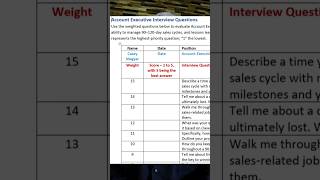
Big Hiring Mistake

Step 1. Putting Together Your Sales Playbook

Most Advice Is Useless. Here’s Why

Deals Die Here

Stop Managing Sales, Start Leading Growth
The Trap of Founder Led Sales (And How to Exit It)

Why Fractional Sales Leadership Could Be Your Next Big Career Move
Build a Sales System That Runs Without You

The Deal Isn’t Closed Until Cash Clears

Step 2. Defining Your Ideal Customer Profile (ICP)

What founder burnout looks like

Don't Hire a Sales VP yet - Do This First
Step 9. Handling Sales Objections
Step 3. Hiring Your First Salespeople - The right way

Is a Fractional Sales Leader right for your business?

Fractional Sales Leader vs Sales VP

Hey Team - I've got your back

Without Resilience You're Doomed

How A Founder Lost 250k In Weeks

My 1st Sales Hire Mistake

Hiring a Fractional Sales Leader? ASK THESE 3 THINGS!

Stop Selling, Now!

Here's what a Fractional Sales Leader does

You don't need a full-time Sales VP

Why Your Sales Growth Has Stalled
Give Your Sales Team This One Document

Step 10. How To Deliver A Demo Or Presentation

My Simple Fix for Sales & Marketing Alignment

Fire Yourself From Sales

Build This Before Hiring Salespeople

Get New Sales Reps Productive In 2 Weeks
Why Your Top Sales Reps Quit

How One Sales Hire Failed Fast

Why Your Sales Reps Are Failing
A Wake Up Call That Saved Me

The Best Question For Hiring Salespeople

At 73 I'm Still Learning Sales

Don't Hire A Salesperson Until You Do This

Circle Of Success For Founders

Hiring Salespeople? Ask These 3 Questions

Don't Die With Business Regrets

It's A Terrible Time To Be In Sales

How Reality Kills Founder-Led Growth
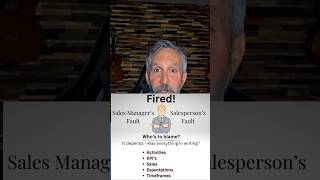
The One Page Sales Team Fix

The $200k Sales Hire Mistake

Founders' Sales Advice That Actually Works

How To Really Build Grit As A Founder