Step 9. Handling Sales Objections
When your team gets objections, tell them not to run! These are really requests to, “Tell me more. You haven’t convinced me yet.” Objections are a prospect’s way of: · Looking for more information · Trying to get a better price · Trying to get better terms · Trying to get clarification on a point · Stalling · Negotiating · Being difficult · Doing due diligence Some of the more common objections for any industry include: · We already have a product like yours · We don’t have any money · It’s too costly to implement · We can build our own · We have an in-house developed system · It's too expensive · The pricing doesn’t fit the way we do business · You’re not an approved vendor · I don’t have time to look at it · It’s my boss’s decision · Just send me the information · I’ve never heard of your company · I don’t have any requirements for your product · I don’t have the resources available to work on this · We used your company before, and it did not work out · We don’t use 3rd party products · We just bought a similar product · We’re not adding vendors right now · We’re happy with what we have There are several ways to handle objections, but I typically take a 3-step approach: 1. Acknowledge 2. Cushion 3. Question Here's an example: Prospect: "Your price is too high." Seller: "Sounds like money is an issue." You acknowledge what they're saying. Stay silent for a moment. Prospect: "Yeah, everyone's keeping an eye on the budget." Seller: "Sure. Companies need to make a profit. "Sounds like money is an issue." You cushion so they don't feel uncomfortable. Seller Questions: "How does what we discussed (or showed you) fit with your requirements?" "How is determined what's necessary for your company to purchase a product like ours?" "What does that process look like?" "Would you be interested in hearing how companies very similar to yours found a way to purchase, great ROI and have the cost factor go away?" The key is to come prepared with good questions, and have your prospect tell you why they can or cannot buy. Remember: Sell like you want to be sold to. Use the five-step method in the video: Pause and label the concern Clarify with one tight question Tie back to the stated pain and value Offer one proof point or option Test for agreement and set a next step Frequently Asked Questions (FAQs) Why is my sales team getting hit with so many objections in the first place? Objections are a natural part of the selling process and typically stem from one of three things: the prospect is looking for more information, they are testing your expertise to see if you know what you’re talking about, or there is a lack of trust. Understanding this motivation is the first step toward handling them effectively. How can we address a price objection without immediately discounting? Instead of jumping to a lower price, use the "acknowledge, cushion, and question" process. Acknowledge that price is important to their decision-making and stay quiet to let them respond. Then, cushion it by validating their need for good value and use questioning to dig deeper into what they consider a "fair price" or how much is "too high." What is the most critical part of the objection-handling process? The questioning phase is the most important part of the three-step process (Acknowledge, Cushion, Question). This is where you uncover the real heart of the matter and find out exactly what is keeping the prospect from moving ahead with the deal. How can we handle prospects who aren't the final decision-makers without insulting them? To avoid isolating or insulting the person you are speaking with, use open-ended questions like, "Who in addition to yourself will be making the buying decision?" This identifies the full decision-making unit while still respecting the individual's role in the process. How do we build trust when a prospect is giving us excuses or blowing us off? Don't dodge the question. Instead, make the prospect feel comfortable by acknowledging their concerns and not making them feel stupid. By asking prepared, insightful questions, you demonstrate your value and build trust to the point where they see the worth in both the product and your expertise.
Watch on YouTubeMore Videos
How much time do I need to spend with a Fractional Sales Leader?

Building a sales system that works without you

Why You’re Still Hiring the Wrong Salespeople

Why Your Sales Team Stops Listening to You

Build A Sales System That Actually Works

Are you wasting $50k you can't afford?

How to Spot a "Fake" Fractional Sales Leader

The 3 Documents You Need Before Hiring a Sales Rep

Why You’re Still Closing Every Deal (and Killing Your Growth)

The Real Reason Your Top Sales Rep Is Interviewing Elsewhere

Saving 12 Months of Lost Revenue in One Interview

Trading Your Corporate Title for Fractional Freedom
Step 17. Having Meaningful One-on-Ones (1:1) Meetings

Will a recession put you out of business?

How to Scale Past Founder-Led Sales

Why Your Company Stops Growing at $1M (The Founder Trap)
Stop Wasting Money on Sales: The "Blank Stare" Fix for Founders

Stop Hiring Salespeople on "Gut Feeling" (The Scorecard Method)

Give everything and get more back!

Fractional vs Full-Time Sales VP Explained

The 4 things every real sales deal must have
Are you the best salesperson in the company?
Pipeline Honesty

Your Sales Playbook Is NOT Just for Sales

Stop Closing Every Deal Yourself

Step 6. Setting SMART sales goals

The Most Important Document for Your Sales Team

Step 15. The Weekly Sales Meeting and KPIs

Your sales team can't close. Fix this.
Step 8. Sales Prospecting: Cold Calls, Voicemails, Emails

CEO or Sales Rep?

Hiring a Fractional Sales Leader in the US

Don’t Hire a VP Sales Yet
Step 13. Creating Prospect Stages For An Accurate Pipeline and Easier Review

How Companies Kill Good Products - Without knowing it

Stop Being Your Company's Best Closer

Stop hiring "visitor" sales leaders

Stop Hiring Bad Sales Reps (Ask This Instead)

Pressure is your friend
Step 16. An Effective Pipeline Review

Stop Selling By Accident, Start Scaling

Don’t Hire A Fractional Sales Freelancer

Building a great sales team from scratch

Ask This Before Hiring A Fractional Sales Leader
Stop Focusing On Your Customers Now

Getting Business on LinkedIn

Why 90 % of Reps Need Weekly Coaching

The Question That Ends Most Sales Interviews

Quit your job and start a business? 1 question.
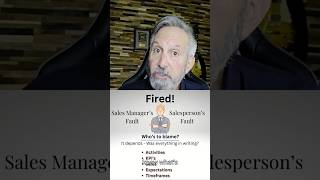
Free Yourself From Sales Management
Step 14. Sales Training and Role Playing

The System Always Comes Before The Hire

2 Steps to hiring great salespeople

Don't Quit Yet — Reality Check Guide

4 Steps to Be a Leader People Admire

Are you burned out and don't even know it?

You don't want this advice.

Problems don't fix themselves Hunt them down.

Don't Start A Business Without This

2 Things That Bring Success
Founders: When to Let Go of Sales

Why your follow ups are killing your sales

Stop Running a Business on Empty

The 3-Gate Test: Should You Quit Your Job or Business?

How Founders Reclaim 15 Hours Weekly

How to make your businesses obsolete

Building The System First Before Building The Team

The Secret Email Step That Gets Replies
74 years of sales lessons in 60 seconds

30 Minutes That Saved Me From Burnout

Ignoring this became my worst nightmare

Just make friends to make sales, now!

The One Step That Speeds Up Closing
Founders, Fire Yourself

How to Handle a "Level 7" Crisis in Your Business

Just show up!

Why Prospects Go Silent
Step 11. The Simple Close Plan That Works

The $250,000 Hiring Mistake
Big Hiring Mistake

Step 1. Putting Together Your Sales Playbook

Most Advice Is Useless. Here’s Why

Deals Die Here

Stop Managing Sales, Start Leading Growth
The Trap of Founder Led Sales (And How to Exit It)
Why Fractional Sales Leadership Could Be Your Next Big Career Move
Build a Sales System That Runs Without You

The Deal Isn’t Closed Until Cash Clears

Step 2. Defining Your Ideal Customer Profile (ICP)

What founder burnout looks like

Don't Hire a Sales VP yet - Do This First
Step 3. Hiring Your First Salespeople - The right way

Is a Fractional Sales Leader right for your business?

Fractional Sales Leader vs Sales VP

Hey Team - I've got your back

Without Resilience You're Doomed
How A Founder Lost 250k In Weeks

My 1st Sales Hire Mistake

Hiring a Fractional Sales Leader? ASK THESE 3 THINGS!

Stop Selling, Now!

Here's what a Fractional Sales Leader does

You don't need a full-time Sales VP
Why Your Sales Growth Has Stalled
Give Your Sales Team This One Document

Step 10. How To Deliver A Demo Or Presentation

My Simple Fix for Sales & Marketing Alignment

Fire Yourself From Sales

Build This Before Hiring Salespeople

Get New Sales Reps Productive In 2 Weeks
Why Your Top Sales Reps Quit

How One Sales Hire Failed Fast

Why Your Sales Reps Are Failing

A Wake Up Call That Saved Me

The Best Question For Hiring Salespeople

At 73 I'm Still Learning Sales

Don't Hire A Salesperson Until You Do This

Circle Of Success For Founders

Hiring Salespeople? Ask These 3 Questions

Don't Die With Business Regrets

It's A Terrible Time To Be In Sales

How Reality Kills Founder-Led Growth
The One Page Sales Team Fix

The $200k Sales Hire Mistake

Founders' Sales Advice That Actually Works

How To Really Build Grit As A Founder